Welcome to Maths For Fun – where mathematical curiosity meets pure enjoyment for learners of all ages! Founded by a team of lifelong maths enthusiasts, we believe that numbers aren’t just for tests – they’re for exploration, discovery, and delight. Whether you’re eight or eighty, a beginner or a seasoned problem solver, you’ll find a growing collection of logic based games and puzzles that cover every corner of mathematics.
Welcome to Maths For Fun – where mathematical curiosity meets pure enjoyment for learners of all ages! Founded by a team of lifelong maths enthusiasts, we believe that numbers aren’t just for tests – they’re for exploration, discovery, and delight. Whether you’re eight or eighty, a beginner or a seasoned problem solver, you’ll find a growing collection of logic based games and puzzles that cover every corner of mathematics.
Optimising Structural Integrity: How Finite Element Analysis Employs Calculus to Enhance Bridge Designs
In the field of structural engineering, optimising structural integrity is paramount, particularly in bridge design. Finite Element Analysis (FEA) employs complex calculus techniques to evaluate how various forces interact within a bridge structure.
In the field of structural engineering, optimising structural integrity is paramount, particularly in bridge design. Finite Element Analysis (FEA) employs complex calculus techniques to evaluate how various forces interact within a bridge structure. This analysis enables engineers to predict potential failure points, determine material requirements, and ultimately enhance bridge designs effectively. By understanding calculus in engineering design, professionals can apply analytical methods to ensure that bridges can withstand environmental stresses and user demands. As a result, finite element analysis plays a crucial role in bridging the gap between theoretical engineering principles and practical applications in structural engineering techniques. This article delves into the significance of calculus within FEA, illustrating how these methodologies contribute to bridge design optimisation while ensuring safety and longevity.
The Role of Calculus in Finite Element Analysis
Calculus plays a pivotal role in the realm of finite element analysis (FEA), particularly in optimising structural integrity through finite element analysis. The foundation of FEA lies in its ability to model complex structures, like bridges, by dividing them into smaller, manageable elements. Calculus enables engineers to compute the behaviour of these elements under various load conditions, thus ensuring accurate predictions of stress and strain.
At its core, the application of calculus allows for the assessment of changes in physical quantities. Differentiation, a key concept in calculus, is used to determine how the displacement of bridge components affects stress distribution. This understanding is crucial for designers seeking to enhance safety and durability. Integrating functions further assists in calculating areas and volumes, providing insight into structural performance.
Moreover, calculus aids in formulating the governing equations of motion and equilibrium. By employing methods such as the finite element method, engineers create mathematical models that capture the intricate interplay between forces acting on a bridge. This level of detail is essential for identifying potential failure points and optimising the structure accordingly.
In addition, through numerical techniques derived from calculus, simulation software can solve complex equations that would be impractical to handle analytically. This computational power enables rapid iterations in design, which is vital for achieving efficiency without compromising safety. As a result, engineers can evaluate multiple scenarios quickly, leading to innovative solutions in bridge design.
The synergy between finite element analysis and calculus not only strengthens bridge structures but also streamlines the design process. By continuously refining and adjusting parameters based on calculus-driven insights, engineers can create robust designs that withstand the test of time. Ultimately, the integration of these disciplines fosters a deeper understanding of how to optimising structural integrity through finite element analysis can lead to safer, more efficient bridges, ensuring they serve their purpose for generations to come.
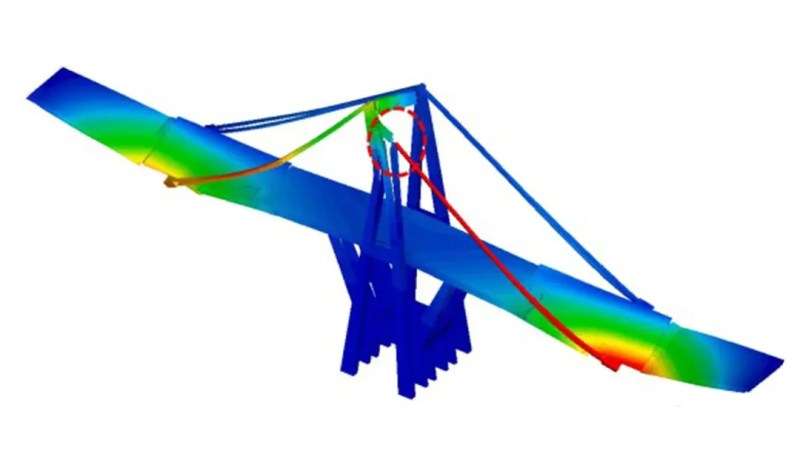
The application of Finite Element Analysis (FEA) in bridge design plays a crucial role in optimising structural integrity. One notable project involved the design of a complex cable-stayed bridge. Engineers used FEA to simulate various load conditions on the structure, allowing them to identify weak points and improve overall stability.
During the design phase, the team evaluated different materials and geometrical configurations. Advanced simulations were conducted to assess how the bridge would respond to different environmental stresses. These included factors like wind loads, vehicular traffic, and seismic activity.
“FEA enables engineers to predict potential failure points much earlier in the design process.”
The use of calculus within FEA is fundamental, as it helps engineers formulate accurate models of bridge behaviour. By discretising the bridge structure into smaller, manageable elements, teams can analyse complex stress distributions effectively.
To illustrate the benefits of FEA, consider the following table summarising key outcomes from the project:
Analysis Type
Outcome
Static Load Analysis
Identified optimal stress distribution, reducing material use by 15%.
Dynamic Load Analysis
Ensured stability during high winds, enhancing safety measures.
Seismic Assessment
Simulated quakes revealed potential failure zones, leading to reinforcements.
Fatigue Analysis
Predicted lifespan extended by 20% through material selection.
Thermal Expansion Testing
Adjusted design for thermal movements, minimising the risk of damage.
This case study demonstrates the profound impact of optimising structural integrity through finite element analysis. By integrating calculus into the design process, engineers can enhance safety and durability while ensuring efficient use of resources.
Benefits of Optimising Structural Integrity through FEA
Optimising structural integrity through finite element analysis (FEA) provides numerous advantages that have significant implications for bridge design. One of the primary benefits is the ability to predict how various loads and stresses affect a structure’s performance. By employing advanced computational methods, engineers can simulate realistic conditions and understand how each component of the bridge will react under different scenarios. This predictive capability enables them to make informed decisions, thus enhancing overall safety and durability.
Moreover, FEA allows for the optimisation of materials used in construction. By analysing stress distribution, engineers can identify areas where material can be reduced without compromising safety. This not only leads to cost savings but also minimises the ecological footprint of the construction process. Reduced material usage results in lighter structures, which can significantly lower the demands on supporting elements and foundations, leading to enhanced sustainability.
Another advantage is the opportunity to explore innovative design features that may not be feasible using traditional methods. FEA enables the evaluation of complex geometries and materials, fostering creativity and innovation in bridge design. This flexibility can result in structures that are not only functional but also aesthetically pleasing, as engineers can push the limits of conventional design while ensuring compliance with safety standards.
Additionally, the integration of calculus within FEA can enhance the accuracy of the models. By applying mathematical principles, engineers can achieve finer resolutions in their simulations. This attention to detail ensures that potential weaknesses or failure points are identified before construction begins, further reinforcing the bridge’s integrity.
Ultimately, optimising structural integrity through finite element analysis leads to safer, more efficient, and environmentally friendly bridge designs. The combination of predictive modelling, material efficiency, and innovative design allows engineers to deliver structures that meet the growing demands for longevity and resilience in infrastructure development. For further insights into the application of FEA in civil engineering, you can refer to the resources provided by the American Society of Civil Engineers ASCE.
Challenges in Implementing Finite Element Analysis
Optimising structural integrity through finite element analysis (FEA) offers numerous benefits for bridge designs, playing a critical role in ensuring safety, durability, and efficiency. FEA provides engineers with the ability to model complex structures and predict how they will react to various loads and environmental conditions. This predictive capability allows for proactive enhancements in design that can mitigate potential risks before they manifest in real-world scenarios.
One significant benefit of optimising structural integrity through FEA is the ability to conduct detailed simulations that reveal stress points in a bridge design. By analysing these simulations, engineers can make informed decisions about material selection and design alterations, ensuring that the final structure is both cost-effective and resilient. Additionally, FEA facilitates the investigation of various design alternatives without the need for extensive physical prototypes. This not only saves time but also reduces costs associated with material waste and construction delays.
Furthermore, FEA allows for the incorporation of dynamic loading conditions, such as wind, seismic activity, and traffic vibrations, into the analysis. This dynamic assessment ensures that the bridge can withstand real-world forces that would otherwise be overlooked in traditional design methods. By optimising structural integrity through FEA, engineers can also prolong the lifespan of the bridge, reducing the frequency of repairs and increasing overall safety for users.
To illustrate the benefits of using FEA in bridge design optimisations, the following table summarises key advantages:
Benefit
Description
Enhanced Safety
Identifying potential failure points allows engineers to address risks proactively before construction.
Cost Efficiency
Reducing material waste by simulating different design scenarios ensures optimal resource use.
Time Savings
Rapid testing of multiple design iterations diminishes the need for lengthy physical testing.
Longevity
Predative maintenance scheduling can be established based on simulation outcomes, extending the bridge’s lifespan significantly.
Dynamic Analysis
Incorporating varied loading conditions enhances the bridge’s resilience against environmental factors.
In summary, the benefits of optimising structural integrity through finite element analysis extend far beyond improving design accuracy. The method enhances safety, reduces costs, and boosts efficiency, ultimately leading to superior bridge designs that stand the test of time. As infrastructure demands increase, adopting FEA becomes increasingly vital for meeting both engineering challenges and public safety requirements.
Future Trends in Structural Integrity and FEA
The future of structural integrity depends heavily on advancements in Finite Element Analysis (FEA). As technology evolves, so too does the potential for improving bridge designs through innovative methodologies. With the incorporation of artificial intelligence and machine learning, engineers are starting to reap the benefits of predictive analytics in structural assessment. These tools provide data-driven insights that enable more informed decision-making, ultimately optimising structural integrity through finite element analysis.
Another exciting trend is the shift towards real-time monitoring systems. These systems utilise sensors embedded within the bridge structure, allowing for continuous assessment of stress and strain. This proactive approach enhances safety and maintenance protocols, providing significant cost savings over time. Engineers can promptly address issues before they escalate into serious problems, ensuring the longevity of bridge infrastructures.
Sustainability is also gaining traction within the field. There is a growing emphasis on using eco-friendly materials and construction methods. FEA plays a key role in simulating how these sustainable materials perform under various loads and conditions. By optimising structural designs with greener alternatives, engineers can create resilient bridges that meet both performance and environmental criteria.
Collaboration between disciplines is becoming increasingly important. Civil engineers, data scientists, and environmental specialists are joining forces to tackle complex design challenges. This interdisciplinary approach enables a more holistic perspective on bridge integrity, helping to refine FEA models and improve structural assessments.
Finally, advancements in computational power are paving the way for more complex simulations. High-performance computing allows for the modelling of intricate designs and real-life conditions, leading to more accurate predictions of structural behaviour. As these technologies become more accessible, the engineering community will continue to push the boundaries of what is possible in bridge construction and maintenance.
In conclusion, the future of optimising structural integrity relies on the intersection of FEA with emerging technologies. The potential for innovation in bridge design is immense, promising a safer and more efficient infrastructure for generations to come.
Conclusion and Implications for Civil Engineering
In conclusion, the application of Finite Element Analysis (FEA) stands as a cornerstone in the pursuit of optimising structural integrity for bridge designs. Through the use of advanced calculus and mathematical modelling, engineers are able to simulate various stress scenarios and material behaviour under diverse conditions. This analytical method not only identifies potential weaknesses within a structure but also enables the interpretation of complex interactions between components in a bridge. By harnessing the power of FEA, civil engineers can foresee structural failures and undertake preventive measures, ultimately leading to safer and more reliable bridge designs.
The implications for civil engineering are profound. The integration of FEA into the design and analysis of bridges supports the transition towards more innovative and efficient engineering practices. This shift is crucial as the demands for sustainable infrastructure grow, necessitating the use of materials and designs that balance both performance and environmental impact. As engineering education increasingly incorporates computational methods, future engineers will be better equipped to leverage these tools, thus enhancing their contributions to structural integrity and safety in transportation networks.
Moreover, the collaboration between FEA specialists and civil engineers fosters an environment of continuous learning and improvement. Through this synergy, the industry can better adapt to emerging challenges such as climate change and increased traffic loads, ensuring that bridge designs remain robust and resilient. By embedding FEA into the fabric of civil engineering, we not only enhance the durability of our structures but also engage in responsible stewardship of public infrastructure.
Ultimately, optimising structural integrity through finite element analysis is not merely about ensuring that bridges can withstand the test of time; it represents a commitment to safety and innovation. As we move forward, the incorporation of sophisticated analytical techniques will continue to redefine our engineering landscape, paving the way for a new era of intelligent design that prioritises both human safety and ecological harmony.
Finite Element Analysis (FEA) is a powerful tool used in engineering to assess and optimise structural integrity. By employing complex mathematical principles, including calculus, FEA allows engineers to simulate how different forces affect structures. This analysis is crucial when designing bridges, where safety and durability are paramount.
Calculus plays a pivotal role in FEA as it helps in understanding how materials behave under stress. The method divides a bridge design into smaller, manageable parts or elements. Each element is analysed individually to determine how it contributes to the overall structure. This detailed approach enables engineers to make informed decisions about design modifications and material selection.
As the renowned civil engineer Sir Joseph Bazalgette once stated, “The great object of the engineer is to make things fit together properly.” This quote perfectly encapsulates the essence of FEA, where each element must harmoniously contribute to the bridge’s integrity. Using finite element analysis, engineers can optimise structural integrity through finite element analysis, ensuring that every part of the bridge is effectively designed to withstand various loads and environmental conditions.
Moreover, FEA facilitates the identification of potential failure points in a bridge design. By simulating different scenarios, engineers can predict where stress concentrations may occur. This proactive approach significantly reduces the risk of structural failures and enhances the lifespan of the bridge.
In summary, finite element analysis combines calculus and engineering to create safer, more reliable bridge designs. By breaking down complex structures into smaller components, FEA provides invaluable insights into their behaviour under various conditions. Ultimately, this leads to improved designs that prioritise structural integrity and public safety. Embracing these advanced analytical methods is essential for the future of civil engineering.
Conclusion
In conclusion, optimising structural integrity through finite element analysis is vital in enhancing bridge design. This process utilises calculus to analyse and predict the structural performance of bridges under various conditions. By integrating these engineering design techniques, professionals can achieve improved safety and durability in their structures. Ultimately, the applications of finite element analysis not only enhance efficiency in design but also ensure that structural integrity is maintained over time. Embracing these advanced methods is essential for engineers looking to push the boundaries of what is possible in bridge design. For more insights and resources on finite element analysis and structural integrity, sign up for our newsletter today.
Ready to make maths more enjoyable, accessible, and fun? Join a friendly community where you can explore puzzles, ask questions, track your progress, and learn at your own pace.
Your personal dashboard with points & achievements
A supportive space built for every level of learner
New features and updates as the Hub grows
Manage Consent
To provide the best experiences, we use technologies like cookies to store and/or access device information. Consenting to these technologies will allow us to process data such as browsing behavior or unique IDs on this site. Not consenting or withdrawing consent, may adversely affect certain features and functions.
Functional
Always active
The technical storage or access is strictly necessary for the legitimate purpose of enabling the use of a specific service explicitly requested by the subscriber or user, or for the sole purpose of carrying out the transmission of a communication over an electronic communications network.
Preferences
The technical storage or access is necessary for the legitimate purpose of storing preferences that are not requested by the subscriber or user.
Statistics
The technical storage or access that is used exclusively for statistical purposes.The technical storage or access that is used exclusively for anonymous statistical purposes. Without a subpoena, voluntary compliance on the part of your Internet Service Provider, or additional records from a third party, information stored or retrieved for this purpose alone cannot usually be used to identify you.
Marketing
The technical storage or access is required to create user profiles to send advertising, or to track the user on a website or across several websites for similar marketing purposes.